
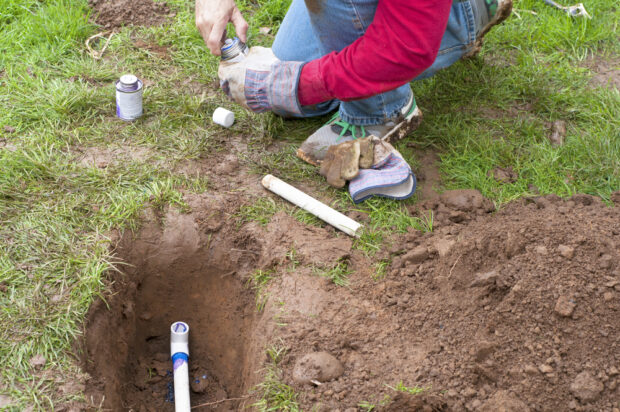
Sprinkler systems are a vital part of maintaining healthy lawns and landscapes in South Jersey, but their efficiency and effectiveness heavily depend on one key factor: soil type. Homeowners and property managers in counties like Burlington, Camden, and Gloucester often face challenges related to irrigation that stem directly from the kind of soil beneath their turf. Understanding how soil types influence water absorption, drainage, and retention can be the difference between a thriving green lawn and one that struggles with dry patches or waterlogging.
In this article, we explore how various soil compositions across South Jersey impact sprinkler system performance. We’ll also provide region-specific insights into the best sprinkler settings for NJ and offer tips for optimizing irrigation system design for sandy soil in Camden County and managing clay soil sprinkler optimization in Gloucester County, NJ.
The Importance of Matching Sprinkler Systems with Soil Types
To get the most out of any sprinkler system, it’s crucial to align your watering strategy with the natural characteristics of the soil. South Jersey’s geography includes a mix of sandy, loamy, and clay soils, each presenting unique challenges for irrigation.
Sandy soils, often found in Camden County, are quick to drain but poor at retaining moisture. This means water can pass through too quickly, leaving plants under-watered despite frequent irrigation. Clay soils, more common in Gloucester County, NJ, hold water well but drain slowly, increasing the risk of oversaturation and root rot. Loam, often seen in parts of Burlington County, provides a balanced medium but still requires thoughtful management.
Understanding the absorption rate of your soil type will guide decisions like how long to run sprinklers, what kind of heads to use, and how frequently to water. The best sprinkler settings for NJ must be tailored not only by season but also by soil composition to avoid waste and encourage healthy plant growth.
Sprinkler Performance in Burlington County: Balancing Mixed Soils
Burlington County presents a unique challenge for irrigation systems due to its mix of loam and transitional soil textures. In this region, it’s not uncommon to have a blend of sandy and clay components within the same yard. That variability can complicate efforts to find the best sprinkler settings for NJ lawns.
In areas with loam soil, water is absorbed at a moderate pace and retained well, making it suitable for standard spray or rotary sprinkler heads. Homeowners in Burlington County should focus on even coverage and moderate scheduling. However, because of the transitional nature of the soil, it’s critical to conduct a catch-can test or soil absorption test to determine the actual infiltration rate.
Smart sprinkler controllers that adapt based on soil moisture levels are especially helpful in these settings. They allow for micro-adjustments to zones based on real-time feedback, ensuring each section of the lawn gets exactly the water it needs. By combining precision technology with an understanding of local soil types, irrigation becomes both efficient and eco-conscious.
Designing Irrigation Systems for Sandy Soil in Camden County
Camden County, particularly areas closer to the Pine Barrens, features sandy soil that poses specific hurdles for efficient irrigation. Sandy soil has large particles and wide pore spaces, which cause water to drain quickly and nutrients to leach away before plants can absorb them. As a result, sprinkler systems in this region need to deliver water in a way that matches the soil’s rapid drainage profile.
The ideal irrigation system design for sandy soil in Camden County involves frequent, short watering cycles. Instead of running sprinklers for 30 minutes once a day, it’s far more effective to run them for 10 minutes three times a day. This strategy helps keep the root zone moist without losing water to deeper layers where roots can’t reach.
Drip irrigation or low-flow rotary nozzles also perform well in sandy environments because they allow water to seep into the soil more slowly, increasing the chances of absorption before it drains away. Pairing these irrigation methods with organic mulching and soil amendments can further enhance moisture retention and reduce evaporation.
Zone-based scheduling is another critical feature for sandy soil areas. Smart controllers that factor in soil type, temperature, and rainfall data can prevent overwatering and dramatically improve water efficiency. Homeowners should regularly inspect their sprinkler heads to ensure that water is being applied evenly and not pooling in certain areas, which may indicate compacted or variably textured subsoils.
Optimizing Sprinkler Systems for Clay Soil in Gloucester County, NJ
Gloucester County, NJ is known for its prevalent clay soils, which hold water longer and drain much more slowly than sandy or loamy soils. While this can reduce the frequency of watering, it also significantly increases the risk of overwatering if sprinkler systems aren’t carefully adjusted.
Clay soil sprinkler optimization begins with understanding the slow infiltration rate. Water applied too quickly will sit on the surface and eventually run off, taking nutrients and even topsoil with it. For this reason, Gloucester County residents must choose sprinkler heads that deliver water at a slow and steady pace. Rotary nozzles or drip systems are ideal, as they mimic the gentle, sustained rainfall that clay soil can best absorb.
Another strategy is the “cycle and soak” method. Instead of watering for 30 minutes straight, split the watering into three 10-minute intervals with breaks in between to allow water to penetrate. This not only helps the water seep deeper into the clay layers but also prevents wasteful runoff.
Soil aeration plays a big role in enhancing sprinkler performance in clay-heavy lawns. Annual or biannual core aeration can reduce compaction and improve the soil’s ability to accept and retain water. Additionally, incorporating organic matter such as compost can improve structure and increase the infiltration rate over time.
Gloucester County homeowners should regularly monitor their lawns for signs of poor drainage, such as pooling or moss growth, both of which indicate the need for sprinkler adjustments or additional soil conditioning.
Adjusting Sprinkler Settings for Seasonal Changes in South Jersey
Beyond soil types, seasonal changes in South Jersey further complicate sprinkler system performance. Summer brings high temperatures and increased evaporation, which necessitates more frequent watering, especially in sandy soils. Conversely, spring and fall require less water, particularly in clay-rich areas that retain moisture longer.
The best sprinkler settings for NJ during peak summer months should take into account not only weather forecasts but also soil type, time of day, and plant requirements. Early morning is generally the best time to irrigate because it reduces evaporation loss and allows leaves to dry, minimizing the risk of fungal growth.
Smart irrigation controllers with weather integration and soil moisture sensors are invaluable for managing seasonal transitions. These systems can automatically adjust runtimes and frequencies based on real-time data, saving water and reducing utility costs.
Homeowners should also be prepared to make manual adjustments. A lawn that was thriving in May may show signs of stress in July, even with the same irrigation schedule. A key aspect of successful lawn care in Burlington County, Camden County, and Gloucester County, NJ is the ability to continually assess and respond to evolving conditions.
Conclusion
Sprinkler system performance in South Jersey is not a one-size-fits-all scenario. The region’s diverse soil types, from the fast-draining sandy soils of Camden County to the water-retentive clay soils of Gloucester County, NJ, and the mixed textures found in Burlington County, demand tailored irrigation strategies. By understanding how soil affects water absorption and retention, homeowners can implement smart, efficient systems that save water, reduce costs, and promote healthy landscapes.
Whether you’re optimizing for clay soil sprinkler performance in Gloucester County, refining irrigation system design for sandy soil in Camden County, or seeking the best sprinkler settings for NJ lawns with loam in Burlington County, the key is customization. A sprinkler system that considers soil type will always outperform one that doesn’t and your lawn will thank you for it.
Need Sprinkler Contractors in Medford, NJ?
Star Sprinkler Systems, Inc. is a family owned and operated business serving Medford, NJ, and surrounding areas. With over 35 years of experience, we are solely dedicated to the irrigation of residences, businesses, playing fields, golf courses, and public areas. Star Sprinkler Systems, Inc. specializes in water conservation, spring start-up service, irrigation, new installation, repair for any existing sprinkler system, and more. Our trained, professional team members are also available to winterize your system so your lines won’t be affected by those freezing temperatures. Contact us today to learn more about what we can do for you!