Water is one of our most precious natural resources, and how we use it in our landscapes says a lot about our commitment to sustainability. Across the country, residential and commercial properties consume billions of gallons of water every year just to keep lawns and gardens looking their best. A large portion of that water is wasted through inefficient watering practices, outdated equipment, and poor system design. The good news is that upgrading to modern sprinkler systems is one of the most effective steps any property owner can take toward meaningful water conservation.
When your irrigation setup is dialed in correctly, you save water, money, and time without sacrificing the health or beauty of your landscape.
The Hidden Cost of Inefficient Watering
Most people do not realize how much water they are wasting until they take a close look at their water bills or notice the signs of overwatering in their yard. Traditional sprinkler systems that run on fixed schedules regardless of weather conditions are among the biggest culprits of water waste. They run during rainstorms, they water pavement and sidewalks, and they deliver too much water too fast for the soil to absorb properly. The runoff flows into storm drains, carrying fertilizers and pesticides with it, contributing to environmental problems far beyond your property line.
Beyond the environmental impact, the financial cost adds up quickly. Studies have shown that the average household with an outdoor irrigation setup uses a significant portion of its total water consumption on landscaping alone. When sprinkler systems are poorly calibrated or use outdated spray heads, water evaporates before it even reaches the root zone. This means your plants are not getting the hydration they need, and you are paying for water that does no good whatsoever. Recognizing this problem is the first step toward making smarter choices about how and when you irrigate.
Smart Technology Is Changing the Game
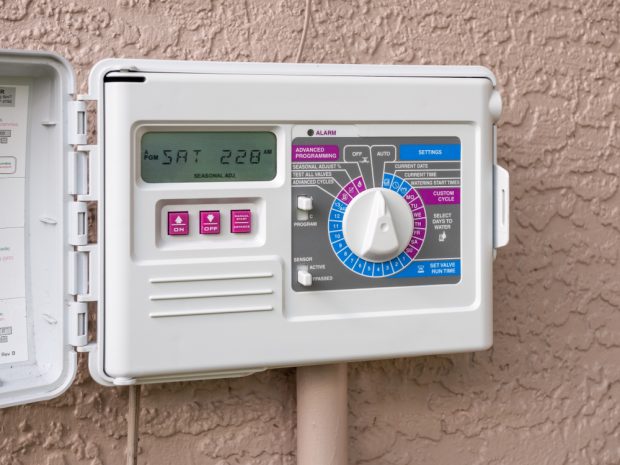
One of the most exciting developments in modern irrigation is the rise of smart technology. Smart controllers, often called weather-based or evapotranspiration (ET) controllers, have transformed the way sprinkler systems operate. Instead of running on a rigid timer, these controllers pull real-time weather data and adjust watering schedules automatically based on temperature, humidity, rainfall, and seasonal changes. The result is a system that waters only when necessary, in the right amounts, at the right times.
Soil moisture sensors are another powerful tool. Installed directly in the ground, these sensors measure the actual moisture content of the soil and communicate with the irrigation controller to prevent watering when moisture levels are already adequate. This eliminates the guesswork and ensures that every drop of water delivered to your landscape serves a real purpose.
Rain sensors are simpler and more affordable but equally valuable. They automatically shut off sprinkler systems when rainfall is detected, preventing the all-too-common sight of sprinklers running in the middle of a downpour. For homeowners who want a quick and cost-effective upgrade, adding a rain sensor to an existing system is a smart starting point. These technologies are not luxuries reserved for large estates or commercial properties. They are practical, accessible solutions that any homeowner can implement to reduce waste and lower their environmental footprint.
Designing a System That Works With Your Landscape
Efficient water conservation does not happen by accident. It requires thoughtful system design that takes into account the unique characteristics of your property. Every landscape is different, with varying soil types, sun exposure, slope gradients, and plant water requirements. A well-designed irrigation system accounts for all of these variables and groups plants with similar needs together in what is known as hydrozoning.
Hydrozoning ensures that thirsty plants are not watered at the same rate as drought-tolerant ones. It prevents overwatering in some areas while underwatering in others. Paired with the right type of sprinkler heads, including rotary heads, fixed spray heads, or drip irrigation emitters, a properly zoned system delivers water precisely where it is needed and minimizes overspray and runoff.
Drip irrigation deserves special mention here. Unlike traditional overhead sprinkler systems, drip systems deliver water slowly and directly to the root zone of individual plants. This method dramatically reduces evaporation and eliminates the water loss associated with wind drift. For garden beds, shrubs, trees, and even container plants, drip irrigation is often the most water-efficient option available. Many homeowners are now combining drip irrigation for planted areas with rotary sprinkler heads for turf zones, creating a hybrid approach that maximizes efficiency across the entire property.
Proper head spacing and pressure regulation are also critical components of good system design. Heads that are too far apart create dry spots, prompting people to run their systems longer to compensate. Heads operating at incorrect pressure produce a fine mist instead of a steady stream, which evaporates rapidly before reaching the soil. A professional irrigation assessment can identify these issues and correct them, often resulting in immediate and noticeable water savings.
Maintenance Is the Key to Long-Term Efficiency
Even the most advanced sprinkler systems will underperform without regular maintenance. Irrigation systems are exposed to the elements year-round, and components wear out, shift, or become clogged over time. A head that has been nudged out of alignment by a lawn mower will spray water onto a fence or driveway instead of the lawn. A cracked pipe or worn valve can leak continuously underground, wasting thousands of gallons before anyone notices.
Seasonal inspections are essential. At the start of the watering season, a thorough check of all heads, valves, lines, and controllers can catch problems before they become costly. Mid-season walkthroughs allow you to spot any changes caused by plant growth, foot traffic, or shifting soil. At the end of the season, proper winterization (where applicable) protects components from freeze damage and extends the life of the entire system.
Cleaning or replacing clogged nozzles and filters is a simple task that makes a significant difference in distribution uniformity. When some heads are blocked or underperforming, other areas may be overwatered to compensate, throwing the entire system out of balance. Staying on top of these small maintenance tasks keeps your sprinkler systems running at peak efficiency and ensures that your conservation efforts are not undermined by avoidable wear and tear.
Updating older system components is also worth considering. Irrigation technology has advanced considerably over the past decade, and older systems often use much more water than their modern counterparts. Replacing standard spray nozzles with high-efficiency rotary nozzles, for example, can reduce water use in those zones by a meaningful percentage. The upfront investment in upgrades typically pays for itself through reduced water bills within a season or two.
Working With Professionals to Maximize Results
While many irrigation improvements are well within the reach of a motivated homeowner, working with a certified irrigation professional can take your conservation efforts to the next level. Licensed irrigation specialists have the training and tools to conduct a comprehensive water audit, identifying inefficiencies that are invisible to the untrained eye. They can calculate your system’s distribution uniformity, check for pressure imbalances, and recommend specific upgrades tailored to your property.
Professionals can also help you navigate local water regulations and rebate programs. Many municipalities across California and the broader Southwest offer financial incentives for upgrading to high-efficiency sprinkler systems or installing smart controllers. Taking advantage of these programs can significantly offset the cost of improvements while contributing to regional water conservation goals.
Conclusion
Efficient irrigation is not simply about having the latest gadgets or the most expensive equipment. It is about making intentional choices that align your landscaping practices with a genuine respect for water as a limited resource. Modern sprinkler systems, when properly designed, installed, and maintained, give property owners the power to use water responsibly without sacrificing a beautiful, healthy landscape. Every adjustment made toward greater efficiency is a step in the right direction, for your wallet, your plants, and the environment we all share.
Need Sprinkler Contractors Near You?
Star Sprinkler Systems, Inc. is a family owned and operated business serving Medford, NJ, and surrounding areas. With over 35 years of experience, we are solely dedicated to the irrigation of residences, businesses, playing fields, golf courses, and public areas. Star Sprinkler Systems, Inc. specializes in water conservation, spring start-up service, irrigation, new installation, repair for any existing sprinkler system, and more. Our trained, professional team members are also available to winterize your system so your lines won’t be affected by those freezing temperatures. Contact us today to learn more about what we can do for you!