
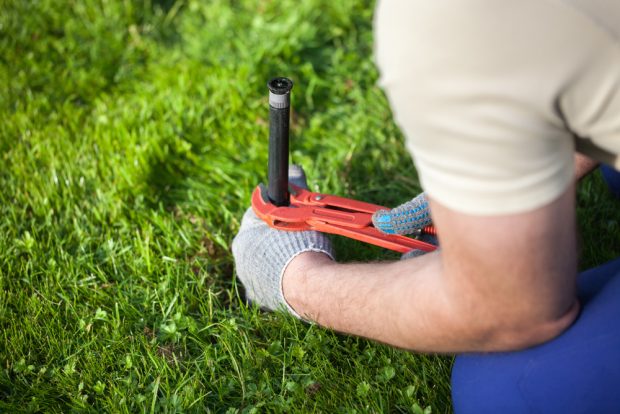
Winter can be harsh on your outdoor irrigation system. As temperatures drop below freezing and ice accumulates, sprinkler systems face significant stress that often results in costly damage. When spring arrives and you prepare to use your sprinklers again, you may discover various issues that developed during the cold months. Understanding these common problems helps you identify damage quickly and plan necessary repairs before the warm season fully arrives.
This guide covers the five most frequent sprinkler problems homeowners encounter after winter passes.
1. Broken or Misaligned Sprinkler Heads
One of the most noticeable issues after winter is broken or misaligned sprinkler heads. These components sit above ground, making them vulnerable to freezing temperatures, snow accumulation, and accidental foot traffic during winter months. When water inside the sprinkler head freezes, it expands and can crack the plastic housing or damage internal mechanisms.
Broken or misaligned sprinkler heads prevent proper water distribution across your lawn and garden. You might notice some heads not popping up, leaking water constantly, or spraying in incorrect directions. A head that tilts to one side may have been knocked by a snow plow or heavy snow load. These misalignments waste water by directing it to driveways, sidewalks, or flower beds rather than your lawn.
Inspecting your sprinkler heads in early spring is essential. Turn on your system and observe each head carefully. Look for cracks in the plastic body, missing nozzles, or heads that fail to retract properly. A damaged head requires replacement, which is usually an inexpensive fix if caught early. For misaligned heads, you can often adjust them by hand or with a simple tool. However, if the damage is severe, replacement becomes necessary.
2. Leaks from Frozen Pipes
Frozen pipes represent one of the most serious problems affecting sprinkler systems after winter. Water in underground pipes expands when it freezes, creating pressure that can crack or burst pipes. These leaks from frozen pipes often go unnoticed until spring when you activate your system and water begins spraying from unexpected locations.
The severity of freezing damage depends on several factors, including how deeply your pipes are buried, local winter temperatures, and whether you properly winterized your system. Pipes buried shallower than the frost line in your region face greater risk. Areas with extremely cold winters see more extensive damage than regions with milder winters.
Signs of burst pipes include water pooling in your yard, unusually wet patches of grass, or significant pressure loss when running your system. You might also notice water seeping from the ground at random locations. These leaks waste water, increase your utility bills, and can damage your lawn or nearby plants. Small cracks may allow slow water seepage, while larger breaks cause visible fountains of water.
Repairing frozen pipe damage often requires excavation to access the damaged section. A professional irrigation technician can locate the leak using specialized equipment and determine the best repair approach. Some situations allow for patching, while others require replacing an entire pipe section. Proper winterization, including draining all water from pipes and valves, prevents most freeze-related damage.
3. Valve or Wiring Issues
Your sprinkler system relies on valves and electrical wiring to function properly. Winter weather can damage both components, creating valve or wiring issues that prevent your system from operating. Valves control water flow to different zones, while wiring sends electrical signals from the controller to activate each valve.
Moisture exposure during winter causes the most common wiring problems. Water can infiltrate wire connections, controllers, and solenoid valves, causing corrosion and electrical failures. If wires weren’t properly sealed or protected, freezing temperatures may have cracked insulation and exposed conductors. Salt and chemicals used on roads can also corrode metal components.
Valve problems develop when ice forms inside the valve body or water freezes in the valve seat. This prevents the valve from opening or closing properly. Some valves may leak constantly or fail to shut off completely. Others refuse to open when activated, preventing water flow to affected zones.
Testing your system reveals valve and wiring issues quickly. Turn on your controller and observe whether each zone activates properly. Listen for the distinctive clicking sound that indicates solenoid activation. If some zones don’t receive water while others work fine, a valve problem in that zone likely exists. If no zones activate, the controller or main wiring may have failed.
Professional inspection of valve and wiring connections helps identify damaged components. Technicians can test electrical circuits, check valve operation, and replace failed solenoids or valves. Protective measures like burying wiring deeper, using waterproof conduit, and storing controllers in protected areas reduce winter damage risk.
4. Clogged Nozzles
Winter debris can accumulate inside sprinkler nozzles, creating clogged nozzles that restrict water flow. Sediment, dirt, leaves, and mineral deposits collect in the small openings responsible for creating spray patterns. A clogged nozzle produces weak spray, strange spray patterns, or no spray at all.
Clogged nozzles often develop gradually throughout winter. As you rarely run your system during cold months, debris settles and hardens inside the nozzle openings. Ice can also trap particles inside, and thawing and refreezing cycles force debris deeper into the nozzle.
Identifying clogged nozzles involves running your system and observing spray patterns. A properly functioning head produces a consistent spray pattern matching its design specifications. A clogged nozzle may spray weakly, unevenly, or in directions unlike other similar heads in your yard. Some nozzles may produce small dribbles instead of proper spray.
Cleaning clogged nozzles is usually straightforward. You can soak the nozzle in water or soak it in a vinegar solution to dissolve mineral deposits. A small wire or needle carefully inserted into the nozzle opening can dislodge stubborn debris. Most homeowners can perform this maintenance themselves without professional help.
Prevention of clogged nozzles involves installing proper filtration in your irrigation system and regularly maintaining nozzles throughout the year. A filter catches sediment before it reaches your sprinkler heads. Flushing your system periodically and covering exposed nozzles during winter helps reduce debris accumulation.
5. Low Water Pressure
After winter, many homeowners discover their sprinkler system operates at reduced water pressure. Low water pressure affects every component in your system, resulting in weak spray patterns and incomplete coverage. This problem develops from several winter-related causes working individually or together.
Frozen pipes can develop small cracks that leak water continuously, reducing overall system pressure. Ice blockages inside pipes restrict water flow. Clogged nozzles, filters, or valve passages reduce pressure as water struggles to pass through narrow openings. Sediment and mineral deposits accumulate in pipes and components during winter, creating additional restrictions.
Testing your water pressure reveals the extent of the problem. Attach a pressure gauge to your main water line and note the reading. Compare this to your system’s designed operating pressure, which is typically printed in your system documentation. If pressure drops significantly from previous years, a problem exists.
Addressing low water pressure requires identifying its cause. Check your main water valve to ensure it’s fully open. Inspect and clean filters, nozzles, and valve screens. Look for visible leaks suggesting burst pipes. A professional technician can use pressure testing equipment to isolate problems and recommend specific repairs.
Conclusion
Winter causes predictable damage to sprinkler systems, but early detection prevents minor issues from becoming expensive repairs. Inspecting your system carefully in spring, testing all zones, and addressing problems promptly keeps your irrigation functioning reliably throughout the growing season. Regular maintenance and proper winterization protect your investment for years to come.
Need Sprinkler Contractors Near You?
Star Sprinkler Systems, Inc. is a family owned and operated business serving Medford, NJ, and surrounding areas. With over 35 years of experience, we are solely dedicated to the irrigation of residences, businesses, playing fields, golf courses, and public areas. Star Sprinkler Systems, Inc. specializes in water conservation, spring start-up service, irrigation, new installation, repair for any existing sprinkler system, and more. Our trained, professional team members are also available to winterize your system so your lines won’t be affected by those freezing temperatures. Contact us today to learn more about what we can do for you!