
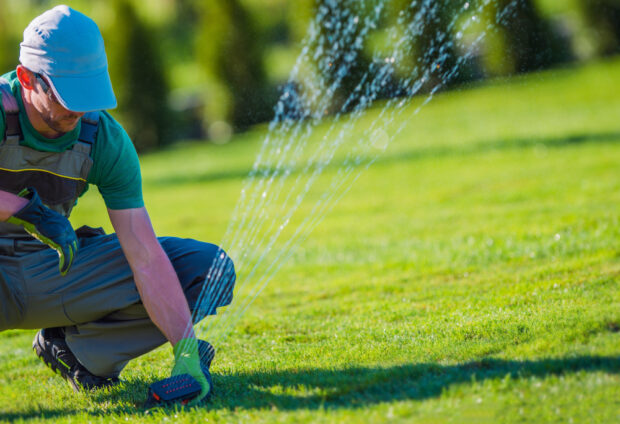
New Jersey’s weather is nothing if not dynamic. With seasons that swing from frigid winters to hot, humid summers, homeowners in Burlington and Camden Counties face unique challenges when managing lawn care, particularly irrigation. To maintain a healthy, lush lawn without wasting water, it is essential to understand how local climate influences sprinkler watering schedules. Adjusting your irrigation strategy according to regional weather patterns helps conserve water and supports vibrant, disease-resistant grass.
Seasonal Weather Shifts and Their Impact on Watering Needs
In Burlington and Camden Counties, the transition from season to season plays a significant role in determining irrigation timing. Spring generally arrives with moderate rainfall, which can reduce the need for supplemental watering early in the growing season. Lawns in April and May typically benefit from this natural moisture, allowing homeowners to ease into a sprinkler watering schedule gradually.
By contrast, summer ushers in hotter temperatures and frequent dry spells. July and August often see the highest evapotranspiration rates, meaning water evaporates more quickly from soil and grass. During this period, lawns require more frequent and deeper watering to prevent stress and browning. The best sprinkler schedule for Camden County, NJ during these hotter months involves early morning watering, ideally before 9 a.m., to minimize evaporation and allow moisture to soak in before the heat intensifies.
Autumn brings relief with cooler temperatures and an increase in rainfall. Lawns still need hydration, but less frequently than in summer. Overwatering during this time can lead to fungal issues and root rot, making it essential to monitor precipitation and adjust schedules accordingly. Winter typically eliminates the need for irrigation altogether, as grass enters dormancy and natural precipitation, including snow, is sufficient.
The Role of Soil Composition and Drainage
Burlington and Camden Counties feature a mix of soil types, from sandy loam to clay-heavy soils. These differences in soil composition directly affect how water is absorbed and retained. Sandy soils drain quickly and require shorter, more frequent watering sessions. In contrast, clay soils hold moisture longer but are prone to runoff and compaction, meaning sprinkler systems should run for longer durations at lower intensities to allow water to penetrate effectively.
Understanding the specific soil type in your yard helps fine-tune your sprinkler watering schedule in NJ. For example, residents in parts of Burlington County with sandier soil may need to increase watering frequency during the peak summer months. Meanwhile, those with clay-rich soil in Camden County should focus on irrigation strategies that avoid waterlogging and promote deep root growth.
Additionally, lawn topography affects drainage. Sloped lawns tend to shed water more quickly, requiring repeated shorter watering cycles to achieve proper absorption. Flat or low-lying areas may need less frequent watering due to natural pooling. Tailoring your sprinkler schedule to the physical layout of your lawn ensures even coverage and prevents waste.
Monitoring Rainfall and Temperature Trends
Staying aware of weekly rainfall and temperature forecasts is vital for maintaining a responsible and effective irrigation timing plan for South Jersey weather. The unpredictability of summer thunderstorms in New Jersey can quickly saturate soil, making scheduled sprinkler runs unnecessary or even harmful. Modern irrigation systems equipped with rain sensors or smart controllers can help homeowners in Burlington and Camden Counties adjust automatically to weather conditions.
During dry periods, consistent heat and high humidity increase the stress on turfgrass, calling for more strategic watering. A good practice is to aim for about one inch of water per week, combining rainfall and sprinkler output. This encourages deeper root systems and improves drought resistance. When weekly rainfall meets or exceeds this amount, homeowners can pause irrigation to prevent overwatering.
In spring and fall, when temperatures are milder and rainfall is more abundant, lawns need significantly less supplemental water. Adjusting your system to run less frequently and for shorter durations during these months conserves water and reduces the risk of fungal diseases.
Smart Technology and Seasonal Adjustments
One of the most effective ways to maintain the best sprinkler schedule in Camden County, NJ and neighboring Burlington County is by utilizing smart irrigation technology. These systems can automatically adjust watering times based on real-time weather data, soil moisture levels, and seasonal trends. For homeowners who want to simplify the process, this technology provides a set-it-and-forget-it option that still respects the nuances of local climate.
For example, a smart controller can pause your system after heavy rainfall or increase run time during a heatwave. Many devices also offer seasonal programming, gradually adjusting your sprinkler watering schedule as temperatures rise or fall. These features are especially beneficial in South Jersey, where weather can change dramatically from one week to the next.
Even without smart systems, traditional timers should be adjusted at least four times a year to align with the changing seasons. Set longer run times in July and August, scale back in spring and fall, and shut down entirely during winter months. This simple practice goes a long way toward reducing water waste and maintaining a healthy lawn year-round.
Local Regulations and Environmental Considerations
In some parts of Burlington and Camden Counties, local municipalities enforce water use restrictions during dry months or drought conditions. These regulations often limit the days and times when residents can use sprinkler systems. Being aware of and complying with these rules not only avoids fines but also supports broader conservation efforts.
Moreover, responsible irrigation helps protect local waterways. Overwatering can lead to runoff that carries fertilizers and pesticides into storm drains, eventually polluting rivers and lakes. Adopting an efficient irrigation timing strategy for South Jersey weather reduces this risk and contributes to a more sustainable environment.
Using native and drought-tolerant grass varieties can further minimize water needs. These grasses are well-adapted to New Jersey’s climate and often require less frequent watering. Combined with proper mowing height, soil aeration, and regular monitoring of weather patterns, a mindful sprinkler strategy helps create a resilient, eco-friendly landscape.
Conclusion
The weather in Burlington and Camden Counties significantly influences how and when to water your lawn. From shifting seasonal rainfall to fluctuating temperatures, each change calls for an adjustment in your sprinkler schedule. By understanding local climate trends, considering soil and drainage characteristics, and leveraging technology, you can develop an irrigation plan that keeps your lawn thriving while conserving water.
Whether you use a smart system or adjust settings manually, maintaining the best sprinkler schedule in Camden County, NJ and across the Burlington area requires both attentiveness and flexibility. Keep an eye on forecasts, observe your lawn’s condition, and fine-tune your routine throughout the year. With the right approach, your lawn can stay green and healthy no matter what the weather brings.
Need Sprinkler Contractors Near You?
Star Sprinkler Systems, Inc. is a family owned and operated business serving Medford, NJ, and surrounding areas. With over 35 years of experience, we are solely dedicated to the irrigation of residences, businesses, playing fields, golf courses, and public areas. Star Sprinkler Systems, Inc. specializes in water conservation, spring start-up service, irrigation, new installation, repair for any existing sprinkler system, and more. Our trained, professional team members are also available to winterize your system so your lines won’t be affected by those freezing temperatures. Contact us today to learn more about what we can do for you!